
Mechanics & Control Of Movement
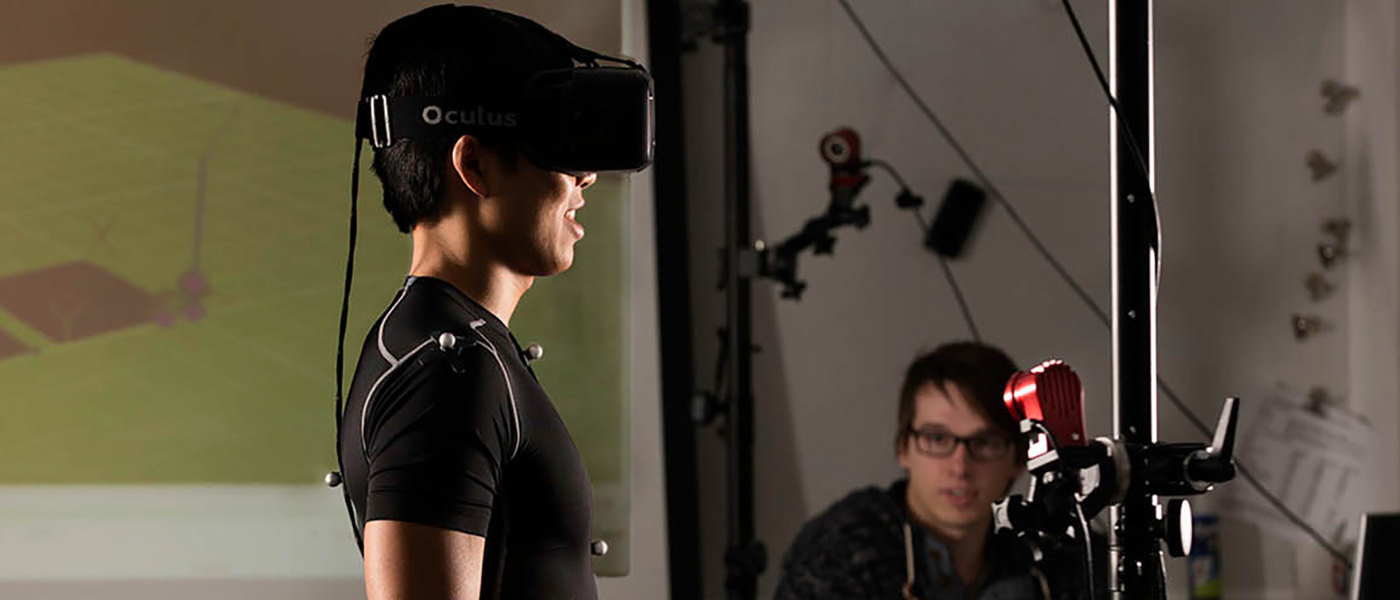
Faculty who study Mechanics and Control of Movement are broadly interested in the forces that produce movement, how movement is organized for the performance of skilled actions, underlying neuromechanical process involved and potential consequences including injury.
Areas of specific focus include motor learning, biomechanics, physical and cognitive ergonomics, human factors, injury prevention, visual regulation of movement, gait, sensorimotor control, musculoskeletal anatomy and rehabilitation.
We use research methods and techniques such as magnetic resonance imaging, computer modeling, electromyography, motion analysis, transcranial magnetic stimulation, image-guided stimulators, eye-trackers, and three-dimensional motion capture to explore this field.
Information Box Group
Michael Carter
Assistant Professor
Movement is undoubtedly a critical aspect of everyday human life and as such, understanding how humans plan, control, and learn skilled actions is an important line of inquiry for both basic and applied research. Research in the Memory, Action, and Cognition Lab at McMaster University aims to understand the cognitive and neural mechanisms subserving motor learning, with an emphasis on the role of errors, strategies, and the information learners selectively extract for action. This research is investigated using a multidisciplinary and collaborative approach that combines behavioural and neurophysiological techniques. Our findings are relevant for advancing fundamental knowledge regarding motor learning and informing practices in the areas of rehabilitation and coaching. For more information about current research projects, please visit the lab website.
Peter Keir
Professor; Associate Chair, Graduate Studies
My basic interest is determining in how the body works combining mechanics and control, and consequently, how it gets injured. My research aims to determine the mechanisms of work-related musculoskeletal disorders of the upper extremity from the fingers to the shoulder (and occasionally some other parts). These disorders tend to occur over a long period of time through complex pathways. By developing a solid link between control and mechanics, we can define the mechanisms of disorders such that they can be better rehabilitated and, ultimately, prevented. We examine disorders of muscle tissue (e.g. myalgia), connective tissue (e.g. tendinitis, epicondylitis), and peripheral nerve (e.g. carpal tunnel syndrome). To reach these research objectives, we use both basic (laboratory) and applied (laboratory and field) studies. My research tools include ultrasound, MRI, tissue measurement, computer modeling, electromyography (surface and fine wire EMG), various dynamometers, data trackers, and motion analysis.

Dylan Kobsar
Associate Professor; Associate Chair, Research
My research is aimed at making biomechanics and human movement analyses more accessible and real-world relevant. Specifically, this work focuses on the use of wearable inertial sensors to help track and treat musculoskeletal disorders or injuries. When we think of wearable sensors, we often think of fitness tracking watches, but in fact wearable sensors have the capabilities to collect a variety of detailed human movement data similar to conventional motion capture gait laboratories. Further, when we combine these devices with innovative analyses (e.g., machine learning algorithms) and visualization techniques, a whole new world of possibilities for assessing human movement is realized. To this point, my research has used these accessible devices and innovative techniques to uncover patterns in human movement that can help us better understand the progression and treatment of individuals with knee osteoarthritis and running injuries.Interesting in joining the lab? Please submit your information here

Dylan Kobsar
Associate Professor; Associate Chair, Research
Jim Lyons
Professor
My research interests combine several distinct but somewhat related areas. There are: 1) the nature of, and processes subserving, the distribution of human selective attention relative to goal-directed action, 2) perception and motor control in special populations; and, 3) human factors and cognitive ergonomics. The attention work has focused primarily on the relative influences of visual feedback, distracting information and the spatial orientation of perceptual-motor space on the acquisition and execution of both simple and complex motor skills. This research focus derives primarily from an interest in several theoretical accounts of the ways in which we use environmental information to plan movements and deal with various task constraints. My interest in human factors seeks to compliment and extend this theoretical work into areas that may be considered to be more applied including such issues as may be related to human-computer interaction and the learning of complex motor skills. My research with special populations deals primarily with changes in perception and motor control that may occur with normal aging and those that may be associated with developmental delays such as Down syndrome and Developmental Coordination Disorder.

Aimee Nelson
Professor
The purpose of my research is to develop fundamental understanding of the cortical control of the human hand and upper limb. My research program is focused on the somatosensory contributions to motor control; human hand control is profoundly dependent on the integrity of somatosensory input that arises from touch and muscle receptors. Multiple cortical areas receive and process somatosensory input yet little is known about the role of these areas in the control of human hand movement. My research program is primarily focused on investigating the role of somatosensory loci in the control of hand movement in healthy and clinical populations. Students in my lab use a combination of neurophysiology techniques including transcranial magnetic stimulation (TMS) and functional magnetic resonance imaging.

Michael Carter
Assistant Professor
Movement is undoubtedly a critical aspect of everyday human life and as such, understanding how humans plan, control, and learn skilled actions is an important line of inquiry for both basic and applied research. Research in the Memory, Action, and Cognition Lab at McMaster University aims to understand the cognitive and neural mechanisms subserving motor learning, with an emphasis on the role of errors, strategies, and the information learners selectively extract for action. This research is investigated using a multidisciplinary and collaborative approach that combines behavioural and neurophysiological techniques. Our findings are relevant for advancing fundamental knowledge regarding motor learning and informing practices in the areas of rehabilitation and coaching. For more information about current research projects, please visit the lab website.
Michael Carter
Assistant Professor
Movement is undoubtedly a critical aspect of everyday human life and as such, understanding how humans plan, control, and learn skilled actions is an important line of inquiry for both basic and applied research. Research in the Memory, Action, and Cognition Lab at McMaster University aims to understand the cognitive and neural mechanisms subserving motor learning, with an emphasis on the role of errors, strategies, and the information learners selectively extract for action. This research is investigated using a multidisciplinary and collaborative approach that combines behavioural and neurophysiological techniques. Our findings are relevant for advancing fundamental knowledge regarding motor learning and informing practices in the areas of rehabilitation and coaching. For more information about current research projects, please visit the lab website.
Peter Keir
Professor; Associate Chair, Graduate Studies
My basic interest is determining in how the body works combining mechanics and control, and consequently, how it gets injured. My research aims to determine the mechanisms of work-related musculoskeletal disorders of the upper extremity from the fingers to the shoulder (and occasionally some other parts). These disorders tend to occur over a long period of time through complex pathways. By developing a solid link between control and mechanics, we can define the mechanisms of disorders such that they can be better rehabilitated and, ultimately, prevented. We examine disorders of muscle tissue (e.g. myalgia), connective tissue (e.g. tendinitis, epicondylitis), and peripheral nerve (e.g. carpal tunnel syndrome). To reach these research objectives, we use both basic (laboratory) and applied (laboratory and field) studies. My research tools include ultrasound, MRI, tissue measurement, computer modeling, electromyography (surface and fine wire EMG), various dynamometers, data trackers, and motion analysis.
Peter Keir
Professor; Associate Chair, Graduate Studies
My basic interest is determining in how the body works combining mechanics and control, and consequently, how it gets injured. My research aims to determine the mechanisms of work-related musculoskeletal disorders of the upper extremity from the fingers to the shoulder (and occasionally some other parts). These disorders tend to occur over a long period of time through complex pathways. By developing a solid link between control and mechanics, we can define the mechanisms of disorders such that they can be better rehabilitated and, ultimately, prevented. We examine disorders of muscle tissue (e.g. myalgia), connective tissue (e.g. tendinitis, epicondylitis), and peripheral nerve (e.g. carpal tunnel syndrome). To reach these research objectives, we use both basic (laboratory) and applied (laboratory and field) studies. My research tools include ultrasound, MRI, tissue measurement, computer modeling, electromyography (surface and fine wire EMG), various dynamometers, data trackers, and motion analysis.
Dylan Kobsar
Associate Professor; Associate Chair, Research
My research is aimed at making biomechanics and human movement analyses more accessible and real-world relevant. Specifically, this work focuses on the use of wearable inertial sensors to help track and treat musculoskeletal disorders or injuries. When we think of wearable sensors, we often think of fitness tracking watches, but in fact wearable sensors have the capabilities to collect a variety of detailed human movement data similar to conventional motion capture gait laboratories. Further, when we combine these devices with innovative analyses (e.g., machine learning algorithms) and visualization techniques, a whole new world of possibilities for assessing human movement is realized. To this point, my research has used these accessible devices and innovative techniques to uncover patterns in human movement that can help us better understand the progression and treatment of individuals with knee osteoarthritis and running injuries.Interesting in joining the lab? Please submit your information here
Dylan Kobsar
Associate Professor; Associate Chair, Research
My research is aimed at making biomechanics and human movement analyses more accessible and real-world relevant. Specifically, this work focuses on the use of wearable inertial sensors to help track and treat musculoskeletal disorders or injuries. When we think of wearable sensors, we often think of fitness tracking watches, but in fact wearable sensors have the capabilities to collect a variety of detailed human movement data similar to conventional motion capture gait laboratories. Further, when we combine these devices with innovative analyses (e.g., machine learning algorithms) and visualization techniques, a whole new world of possibilities for assessing human movement is realized. To this point, my research has used these accessible devices and innovative techniques to uncover patterns in human movement that can help us better understand the progression and treatment of individuals with knee osteoarthritis and running injuries.Interesting in joining the lab? Please submit your information here
Jim Lyons
Professor
My research interests combine several distinct but somewhat related areas. There are: 1) the nature of, and processes subserving, the distribution of human selective attention relative to goal-directed action, 2) perception and motor control in special populations; and, 3) human factors and cognitive ergonomics. The attention work has focused primarily on the relative influences of visual feedback, distracting information and the spatial orientation of perceptual-motor space on the acquisition and execution of both simple and complex motor skills. This research focus derives primarily from an interest in several theoretical accounts of the ways in which we use environmental information to plan movements and deal with various task constraints. My interest in human factors seeks to compliment and extend this theoretical work into areas that may be considered to be more applied including such issues as may be related to human-computer interaction and the learning of complex motor skills. My research with special populations deals primarily with changes in perception and motor control that may occur with normal aging and those that may be associated with developmental delays such as Down syndrome and Developmental Coordination Disorder.
Jim Lyons
Professor
My research interests combine several distinct but somewhat related areas. There are: 1) the nature of, and processes subserving, the distribution of human selective attention relative to goal-directed action, 2) perception and motor control in special populations; and, 3) human factors and cognitive ergonomics. The attention work has focused primarily on the relative influences of visual feedback, distracting information and the spatial orientation of perceptual-motor space on the acquisition and execution of both simple and complex motor skills. This research focus derives primarily from an interest in several theoretical accounts of the ways in which we use environmental information to plan movements and deal with various task constraints. My interest in human factors seeks to compliment and extend this theoretical work into areas that may be considered to be more applied including such issues as may be related to human-computer interaction and the learning of complex motor skills. My research with special populations deals primarily with changes in perception and motor control that may occur with normal aging and those that may be associated with developmental delays such as Down syndrome and Developmental Coordination Disorder.
Aimee Nelson
Professor
The purpose of my research is to develop fundamental understanding of the cortical control of the human hand and upper limb. My research program is focused on the somatosensory contributions to motor control; human hand control is profoundly dependent on the integrity of somatosensory input that arises from touch and muscle receptors. Multiple cortical areas receive and process somatosensory input yet little is known about the role of these areas in the control of human hand movement. My research program is primarily focused on investigating the role of somatosensory loci in the control of hand movement in healthy and clinical populations. Students in my lab use a combination of neurophysiology techniques including transcranial magnetic stimulation (TMS) and functional magnetic resonance imaging.
Aimee Nelson
Professor
The purpose of my research is to develop fundamental understanding of the cortical control of the human hand and upper limb. My research program is focused on the somatosensory contributions to motor control; human hand control is profoundly dependent on the integrity of somatosensory input that arises from touch and muscle receptors. Multiple cortical areas receive and process somatosensory input yet little is known about the role of these areas in the control of human hand movement. My research program is primarily focused on investigating the role of somatosensory loci in the control of hand movement in healthy and clinical populations. Students in my lab use a combination of neurophysiology techniques including transcranial magnetic stimulation (TMS) and functional magnetic resonance imaging.